Professional sanitation and food hygiene professionals in Brampton support food establishments, commissaries, baking facilities, warehouses, and food service operations staying compliant. They sanitize high-contact points, food preparation surfaces, equipment, floors, drains, restrooms, and prep zones using certified products, maintaining proper ratios, and documenting contact times. You need scheduled cleaning determined by hazard level, volume, food allergies, and inspections, along with verification records backing HACCP, quality reviews, and public health compliance. The following information explains what strong sanitation programs must contain.
Key Takeaways
- Brampton's food safety cleaning professionals provide services to restaurants, grocery departments, commissaries, warehouses, bakeries, schools, mobile vendors, and allergen-sensitive operations.
- They sanitize high-touch surfaces, food-contact equipment, kitchens, floors, drains, restrooms, and storage areas using compartmentalized approaches to prevent cross-contamination.
- Confirmation of proper chemical concentration, appropriateness, and contact time is performed by certified specialists, with finishing logged using checks, inspections, and remedial documentation.
- Danger, production rate, changeovers, accidents, and standards need to shape hygiene timelines, with routine, weekly, and periodic tasks assigned by section.
- Opt for vendors with hazard analysis knowledge, sanitation, competency, WHMIS, preparation, insurance, endorsements, colour-coded tools, and audit-ready maintenance files.
Brampton Establishments That Need Food Safety Cleaning: Which Ones?
Any Brampton facility that handles, maintains, prepares, packages, or offers food needs food sanitation. You must apply it if your operation falls under public health review, food rules, or HACCP systems. That requirement covers eateries, dining facilities, food distribution centers, supermarket departments, meat markets, fish counters, corner stores, and commercial kitchens.
You also need compliant food safety cleaning in warehouses, food manufacturing plants, cold storage sites, retail bakeries, school nutrition programs, banquet halls, and meal delivery hubs. Mobile and seasonal operations count too, including catering trucks, festival vendors, and pop-up food booths. If your staff work with raw supplies, divide prepared foods, warm dishes, or organize allergen inventory, your facility needs recorded sanitation procedures. In Brampton, food safety isn't discretionary; it's part of statutory, business, and public health compliance.
What Do Brampton Cleaning Experts Clean?
You need cleaning experts who sanitize high-touch surfaces, kitchens, floor surfaces, and bathrooms to comply with food safety and health regulations. They target these areas because they pose the greatest danger for cross-contamination, slipping risks, and sanitation breaches.
If you grasp what they sanitize, you'll successfully ensure your operation satisfies all operational and regulatory compliance needs.
Emphasizing High-Touch Surface Disinfection
base sanitization frequency considering activity levels, infection risk, and how the space is used.
validate that sanitization was successful and facilitate remedial steps if results come outside required standards
Food Prep Areas, Flooring, and Sanitary Facilities
Brampton cleaning professionals will handle kitchens, floors, and restrooms since each space presents different hygiene concerns, slip-and-fall, and community health challenges. In industrial kitchens, you need grease removal from cooking stations, appliance surfaces, drain systems, preparation areas, and backsplashes to minimize bacterial growth and pest activity.
Professional floor upkeep with documentation is also included. is likewise provided as part of the service.
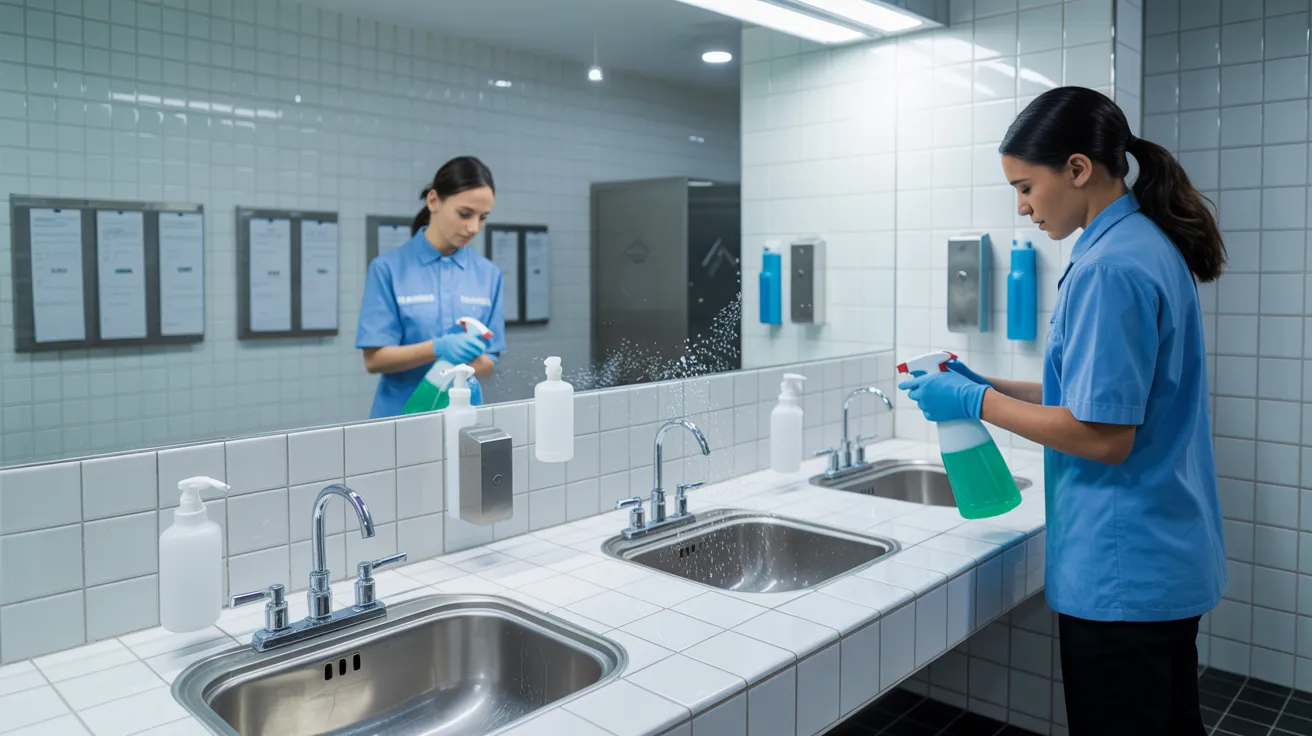
Restroom sanitation requires disinfecting touch areas, bathroom equipment, stall barriers, supply stations, and bins, restocking supplies and controlling odours. They also service restaurant moprooms, where chemical storage, sink hygiene, and drainage conditions can affect sanitation compliance and staff safety daily.
How Food Safety Cleaning Benefits Brampton Operations
In Brampton, you must copyright food-safe cleaning standards to meet health code requirements and achieve compliance. You also reduce bacterial spread through proper cleaning of food-preparation surfaces, appliances, and frequently-touched items. Most importantly, you safeguard community wellness by reducing the chance of food poisoning in your establishment.
Sanitary Standards Adherence
Because Brampton food businesses operate under stringent health requirements, food safety cleaning directly determines your capability to fulfill health code requirements, safeguard customers, and sidestep enforcement action. You must maintain sanitary food-contact surfaces, recorded sanitation plans, safe chemical management, and verifiable staff procedures that correspond to municipal and provincial inspection expectations.
When cleaning standards deteriorate, violations, remedial directives, brand harm, and service interruption from additional reviews or compliance reviews become risks.
Contamination Prevention
Meeting regulatory requirements also depends on your capacity to stop cross-contamination during routine food preparation and sanitation. You must separate raw ingredients from ready-to-eat foods, sanitize prep surfaces between tasks, and keep cleaning products separate from food areas. Established guidelines minimize contamination chances and support consistent compliance during inspections.
You might establish allergen separation to stop main allergens from reaching common areas, containers, or machinery. Apply separate boards, color-marked equipment, and strict utensil labeling so staff don't mix items during preparation or service. Enforce washing hands following raw meat, seafood, eggs, or allergen-containing products. Change wiping cloths regularly, and check sanitizer strength with test strips. When employees learn these procedures every shift, you develop a more sanitary, secure business that matches Brampton's safety requirements every day.
Community Health Protection
When food safety cleaning weaken, you don't only face inspection setbacks—you raise the likelihood of food contamination striking customers, staff, and the larger Brampton community. You also weaken your role in protecting public health, especially in high-traffic food premises where contamination can spread quickly through surfaces, equipment, and touchpoints.
You must implement sanitation protocols that remove soils, properly disinfect, and ensure effectiveness. This involves maintaining exposure times, deploying approved disinfectants, recording schedules, and coaching staff to fulfill health-unit expectations. These initiatives promote pathogen control by reducing microbes before contaminating food or hands. In Brampton, effective cleaning shields vulnerable populations, curtails outbreak likelihood, and demonstrates accountability. When you adhere to proper protocols, you exceed requirements—you meaningfully lower danger and promote secure food service throughout the city.
How Does Cleaning Support Food Safety Compliance?
Maintaining rigorous cleaning routines supports food safety compliance by reducing contamination risks, controlling pathogen growth, and keeping your facility compliant with sanitation requirements under HACCP-based programs and public health regulations. You confirm that food-contact surfaces appear visibly clean and microbiologically controlled, facilitating documented preventive controls and inspection readiness.
Strategic cleaning practices also reinforce allergen prevention by removing residues that can lead to undeclared allergen exposure.
Establishing When to Arrange Commercial Cleaning
Step up cleaning frequency during high-volume production, production changeovers, spill events, and after maintenance work.
You should also arrange periodic tasks independently
Selecting the Right Brampton Cleaning Experts: Key Considerations
Screen providers initially by their food hygiene standards—not budget see the full story alone. You need to confirm that every company meets CFIA, public health, and HACCP-aligned expectations for your operation. Demand proof of insurance, WHMIS compliance, training records, and management systems. Evaluate technician knowledge of contamination dangers, chemical safety, and documented sanitation practices.
You should further examine service consistency and accountability. Request testimonials from Brampton food businesses, then review reply speed, corrective-action procedures, and communication protocols. Validate the company supports supplier audits and can supply compliance documentation to authorities or external parties. Confirm equipment receives maintenance, colour-coded tools are applied correctly, and facility-specific risks are identified. A experienced service ensures regulatory compliance, product integrity, and your brand reputation.
What does a cleaning and sanitation plan encompass?
Develop a written strategy that clarifies every sanitation task, standard, and responsibility before production begins. You should outline cleaning frequencies, approved chemicals, dilution rates, contact times, tools, and verification methods for each zone, surface, and piece of equipment. Include pre-operational inspections, corrective actions, and employee training requirements.
Your strategy should also address prevention of contamination, waste management, pest-control tactics, and scheduled records for facilities, drains, flooring, and food-preparation surfaces. Specify how you'll distinguish between uncooked and prepared items, facilitate ingredient tracking, and keep accurate allergen labeling through validated cleaning between product changes. You should assign accountability, document signed records, and assess results against regulatory standards, HACCP controls, and customer requirements. When gaps appear, modify procedures immediately and instruct staff.
Popular Asked Inquiries
Will cleaning services manage nighttime hours at Brampton properties?
If you run controlled spaces, you'll also require documentation that support inspections and maintain assurance.
Can Brampton cleaning experts manage hazardous incidents?
Yes, you can find many Brampton cleaning professionals offering emergency response options. They manage hazardous materials, evaluate risks, contain affected areas, and perform swift decontamination to minimize risk and limit operational impact. You should verify response times, training credentials, protocols, and disposal methods. If your facility must meet standards, choose a service that documents incidents, maintains standards, and ensures verification.
Can green disinfectants be deployed safely on food preparation areas?
Yes, plant-based sanitizers can be suitable for food-handling equipment if you pick solutions certified for food use and regulatory compliant. You should confirm exposure duration, dilution ratios, and rinse requirements before implementation. Many botanical formulations minimize chemical burden, but you still need confirmation of performance against specific pathogens. To preserve residue-free areas, you need to follow precise manufacturer instructions and confirm the disinfecting agent adheres to food industry regulations.
Will cleaning schedules accommodate production fluctuations?
Without question, maintenance plans are highly adaptable for seasonal production changes. Modify frequencies, labor allocation, sanitizers, and testing procedures to correspond to seasonal patterns while sustaining regulatory requirements. Minimize operational delays by timing sanitization surrounding line changes, high demand periods, and usage patterns. Additionally update SSOPs, employee training, and environmental monitoring to address seasonal hazards, emerging allergens, or higher contamination levels. Regular reviews preserve the strategy effective.
Will commercial cleaners teach employees on sanitation best practices?
Certainly, commercial cleaners coach your employees on hygiene protocols. You obtain employee development on correct chemical practices, processing times, cross-contamination prevention, machine disassembly, and documentation procedures. They typically align coaching with HACCP, GMP, and CFIA or regional health bodies requirements. Many execute sanitation audits to check standards, uncover shortcomings, and strengthen corrective measures. This enables you to copyright standard processes, pass inspections, and reduce food safety risks daily.
Final Thoughts
Through engaging Brampton commercial cleaning and food safety specialists, you accomplish much beyond organizing—you keep your operation prepared for inspections and your procedures meet requirements. From kitchen spaces to processing areas, all maintained surfaces and kept corners help prevent pest problems and prevent significant costs. Through booking service on suitable timelines and adhering to a comprehensive cleaning program, you ensure protection for employees, your patrons, and your good name. In a tightly controlled regulatory landscape, clean conditions must be a priority—they are fundamental to success.